Blog April 30th - Job
Dušan in Study Trip Canada 2026 2026-05-01 23:33
English follows Dutch
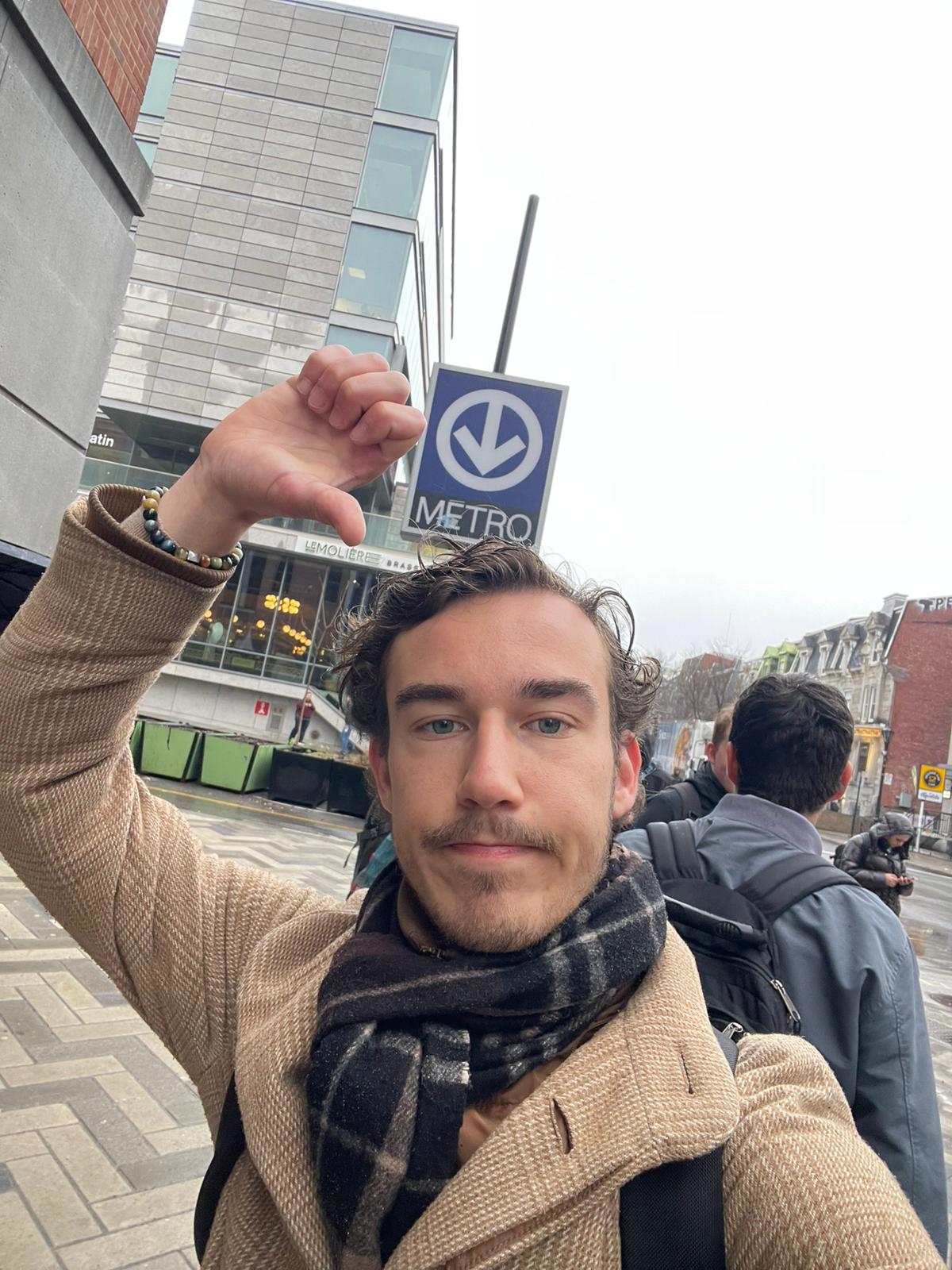
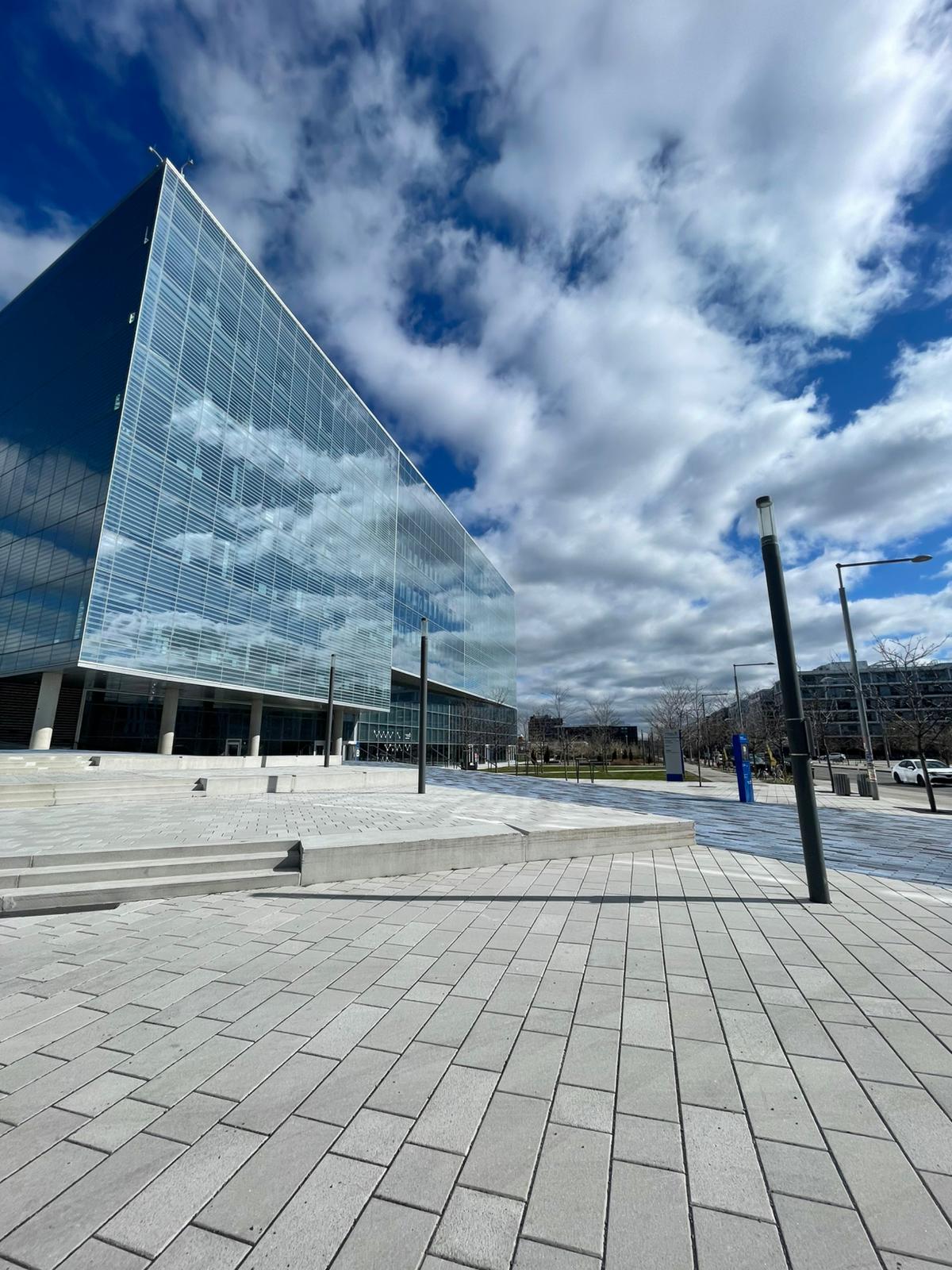
Vroeg uit de veren voor het eerste bezoek in Montréal: CRAQ (Center for Research in Astrophysics of Quebec). Maar, metro = kapot. Benenwagen? Benenwagen. Of nee: toch niet kapot, toch de metro. Eenmaal op de valreep aangekomen bij de Universiteit van Montréal worden we door Frédérique Baron opgewacht in een lege universiteit. Zij legt ons uit waarom we de afgelopen tijd zo weinig studenten zien op de campussen. We zitten midden in de tentamenperiode. Ze begeleidt ons naar een zaaltje waar we de komende drie uur ondergedompeld zullen worden in de wereld van het astronomische onderzoek, in maar liefst 5 partjes.
- Tijdens de eerste presentatie door Avidaan Srivastava leren we over exoplaneten en de methodes die we gebruiken om ze te ontdekken en onderzoeken.
- Hij werd opgevolgd door Sacha Perry-Fagant, die met nieuwe modellen de geschiedenis van onze sterren en sterrenstelsels blootlegt.
- Halverwege de collegereeks brengt Anabel Tan ons bij over de projecten om meer en betere plaatjes te maken van het heelal - zoals de toekomstige Square Kilometer Array, verdeeld over Zuid-Afrika en Australië. En methodes om ze ''op te schonen'' door ruis te verwijderen met gebruik van kunstmatige intelligentie.
- Erika le Bourdais brengt het gesprek terug naar de directe toepassing. Zij onderzoekt zogenaamde 'vervuilde' witte dwergen: dode sterren waarvan de atmosfeer sporen van rotsachtige planeten bevat. Kom je hier wat anders tegen dan waterstof of helium? Dan is een sprongetje in de lucht niet mis.
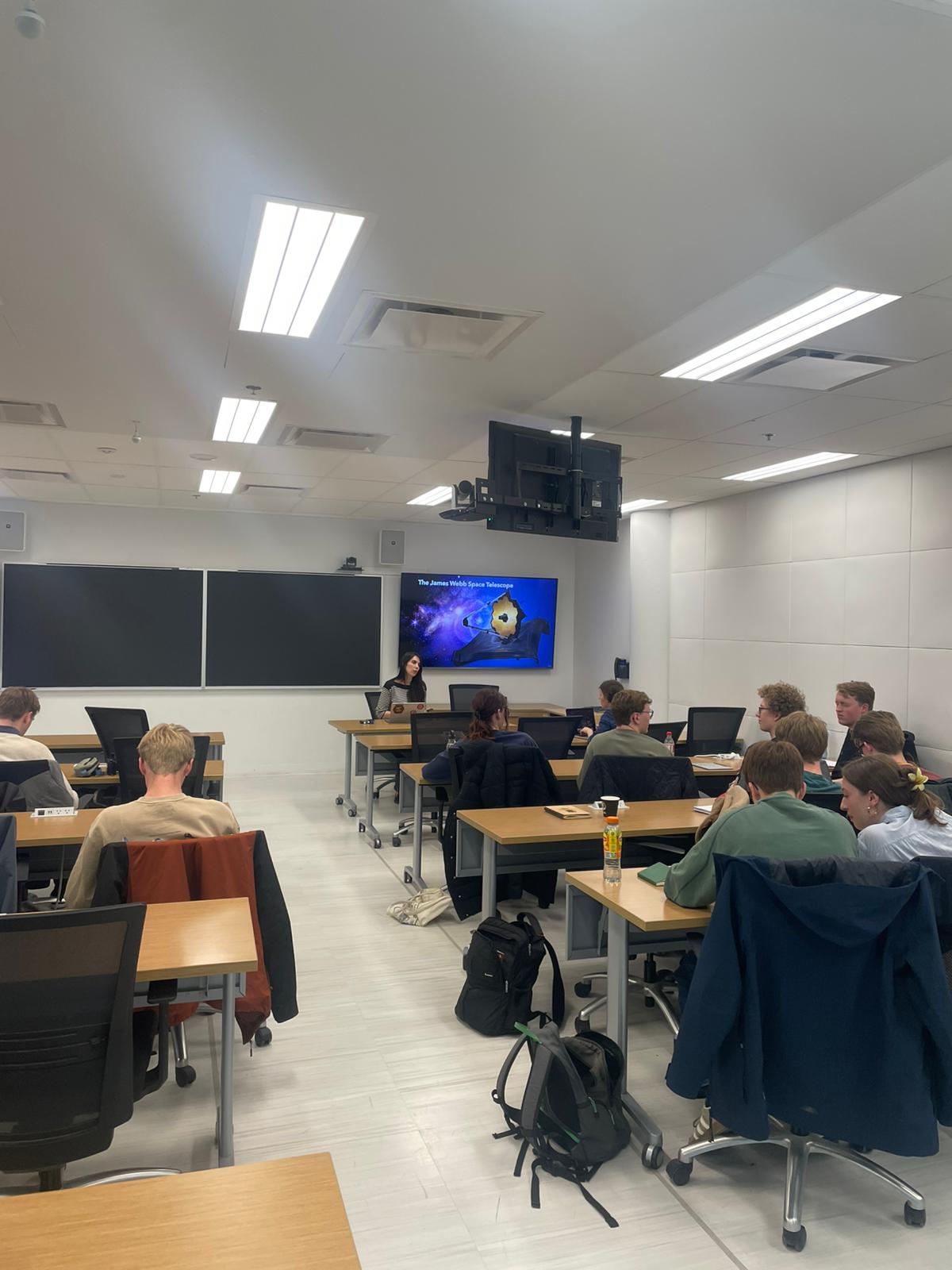
- Als enthousiaste afsluiter maken we opnieuw kennis met een bekende voor ons: the James Webb Space Telescope. Nathalie Ouellette vertelt over de rol van Canadese instituten in dit project, en haar eigen rol in het overbruggen van het gat tussenwetenschap en het bredere publiek. What's next? Er staan meerdere projecten in de startblokken, zoals un castor extraterrestrial. Zonder dollen: CASTOR, een telescoop genaamd ''bever''.
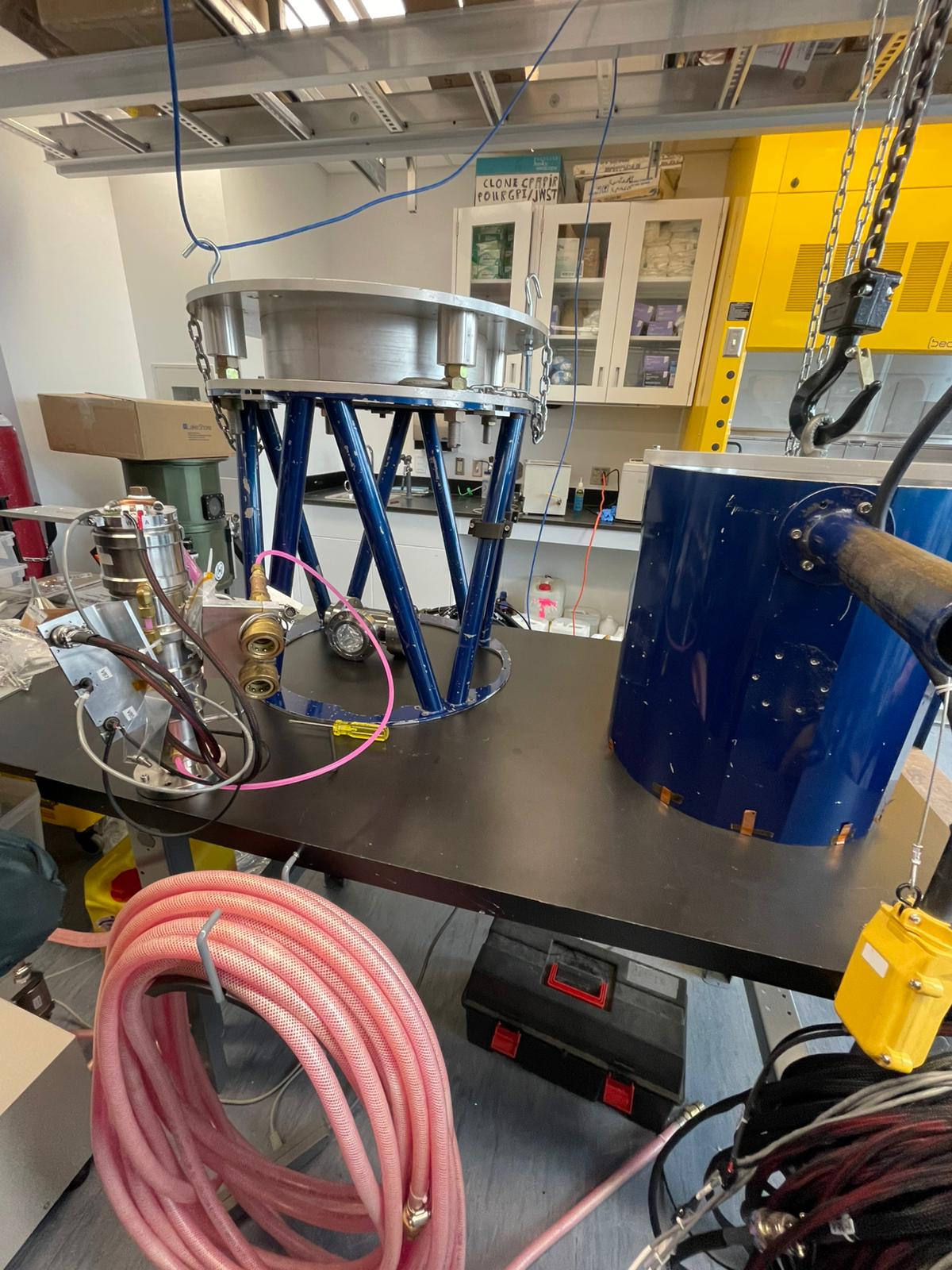
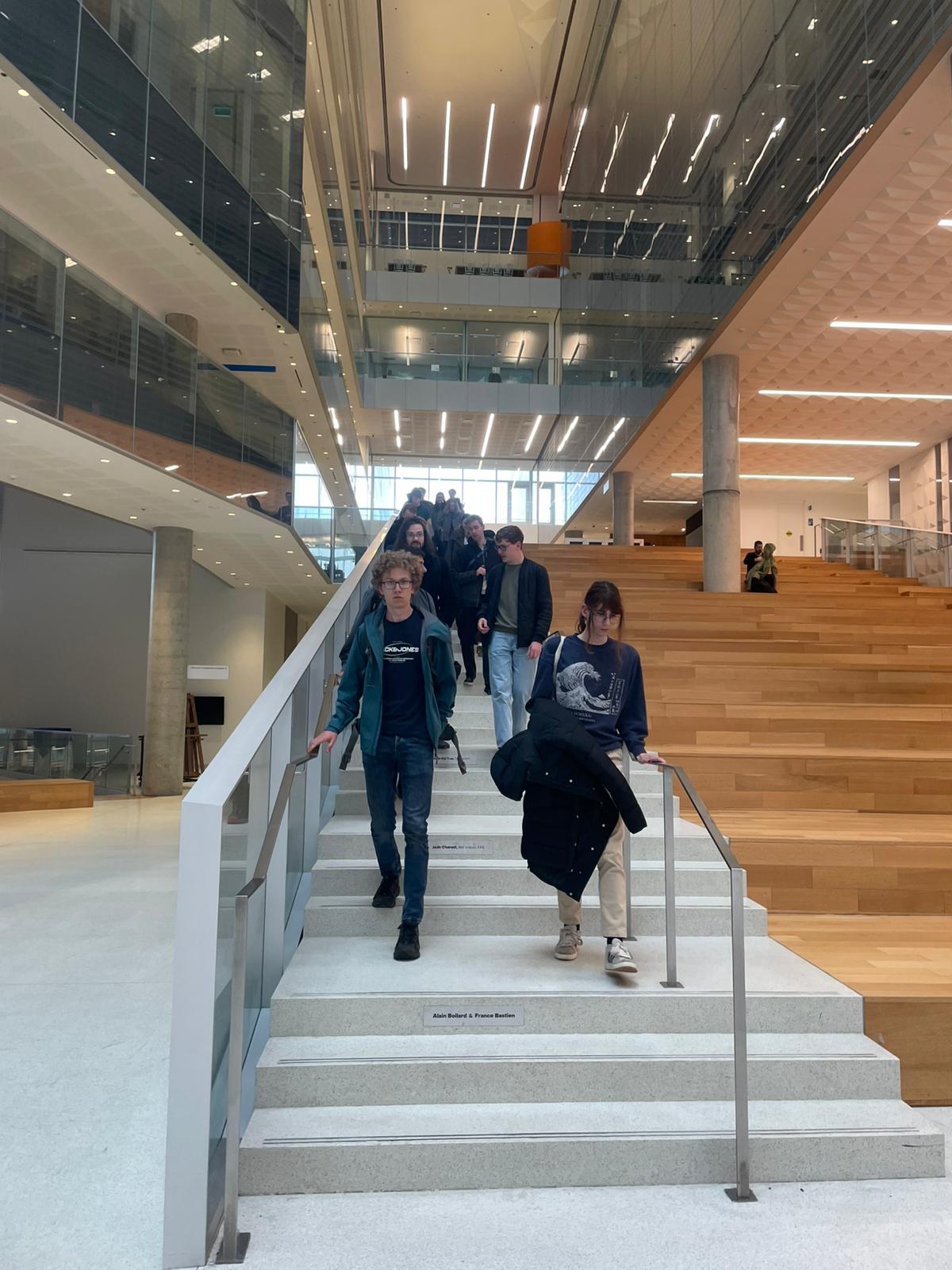
Next stop, de rest van het gebouw. Frédérique leidt ons langs studieplekken, een bibliotheek, haar eigen lab en de Canadese Zuidkantine: La Planck. Als uitsmijter vertelt ze ons over de gevolgen van de gevoelige relatie met de VS voor hun onderzoek. Wetenschap is niet immuun voor geopolitieke verschuivingen, blijkt maar weer. Gelukkig hebben ze hier al goede banden met Europa, om hun werk in andere verbanden voort te zetten.
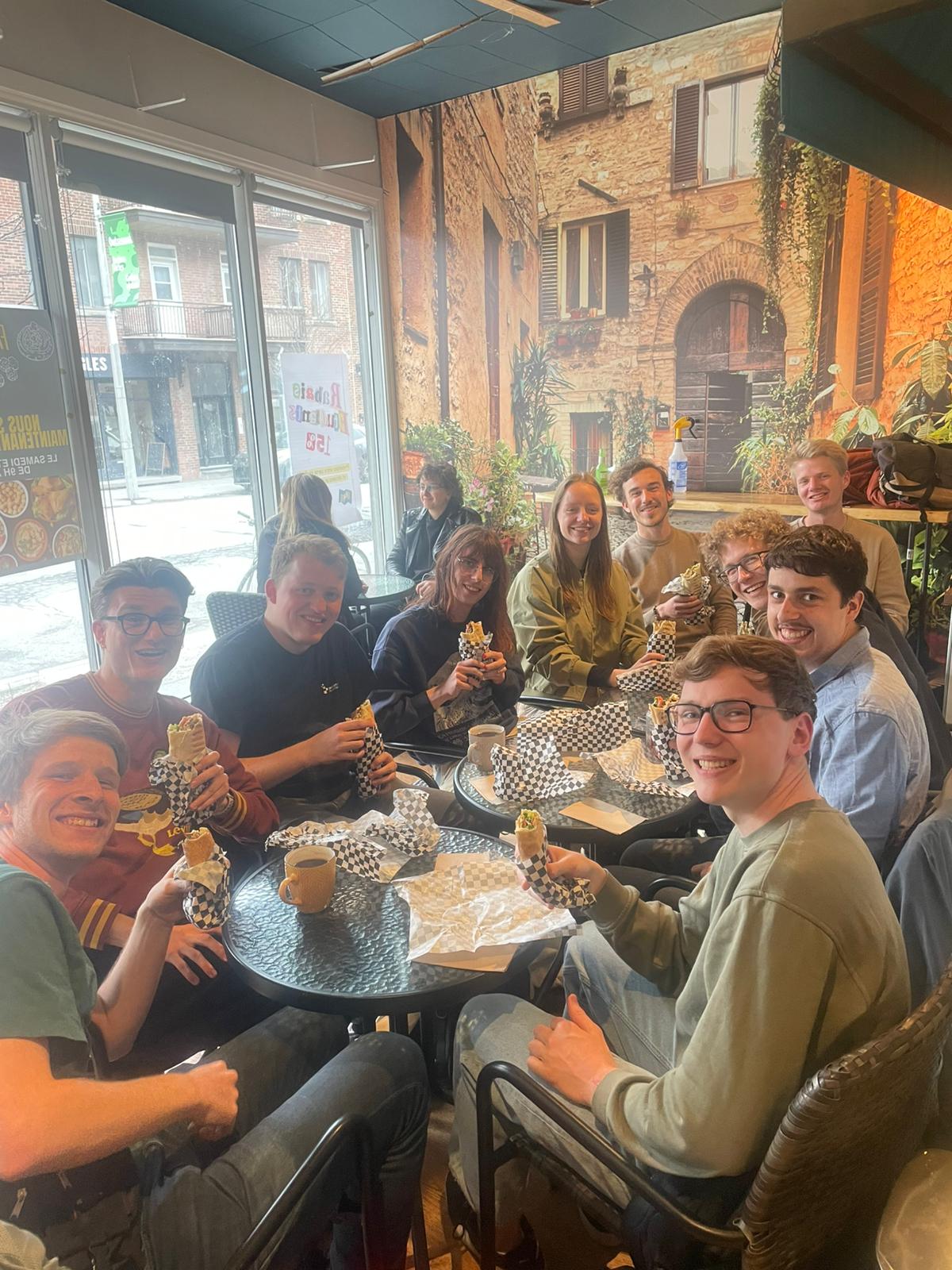
Tijd voor lunch. We maken dankbaar gebruik van de Montreaalse Multiculturaliteit en schuiven tafels bijeen voor 10 perosnen bij Fal & Fel (drie keer raden wat we daar aten). Met goed gevulde magen bereiden we ons voor op het volgende instituut. Locked in. Een lange studiedag vraagt om één ding: een gezellig drankje.
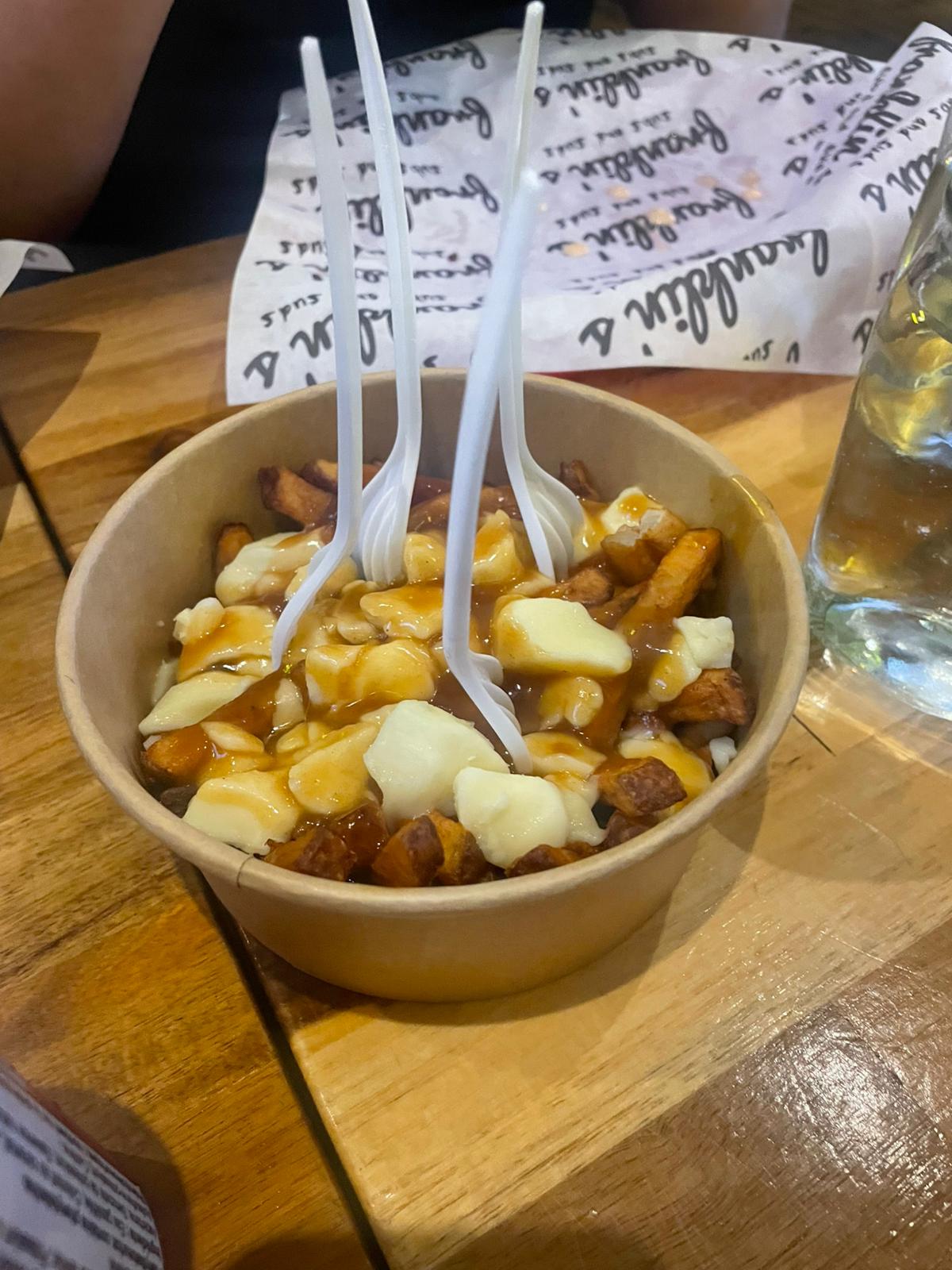
Terwijl de Biermiddag in Nederland werd overgeslagen, was die hier in Canada springlevend. Zoals het hoort tijdens een Biermiddag bestelden we bij het avondeten een kapsalon, en wel een Canadese: de poutine! Prima om te proberen, maar één keer was genoeg. Vervolgens nog een babbeltje op de gemeenschappelijke bank van het hostel en het was weer tijd voor het bunkbed.
English
We're up early for the first visit in Montreal: CRAQ (Center for Research in Astrophysics of Quebec). But, the metro is broken. Let's walk? Let's walk. Nevermind: not broken after all, the metro after all. Once we arrived at the University of Montreal at the very last minute, we were met by Frédérique Baron in an empty university. She explained to us why we have seen so few students on campus lately. We are in the middle of exam season. She escorted us to a small room where, for the next three hours, we would be immersed in the world of astronomical research, in no less than 5 parts.
- During the first presentation by Avidaan Srivastava, we learned about exoplanets and the methods we use to discover and study them.
- He was followed up by Sacha Perry-Fagant, who uses new models to reveal the history of our stars and galaxies.
- Halfway through the lecture series, Anabel Tan brings us up to speed on projects to create more and better images of the universe - such as the future Square Kilometer Array, distributed across South Africa and Australia. And methods to ''clean them up'' by removing noise using artificial intelligence.
- Erika le Bourdais brings the conversation back to direct application. She investigates so-called 'polluted' white dwarfs: dead stars whose atmospheres contain remnants of rocky planets. Do you encounter anything other than hydrogen or helium here? Then a little celebration is not unwarranted.
- As an enthusiastic finale, we are reintroduced to a familiar face: the James Webb Space Telescope. Nathalie Ouellette talks about the role of Canadian institutes in this project, and her own role in bridging the gap between science and the wider public. What's next? Several projects are in the starting blocks, such as un castor extraterrestrial. No kidding: CASTOR, a telescope named ''Beaver''.
Next stop, the rest of the building. Frédérique leads us past study areas, a library, her own lab, and the Canadian South Canteen: La Planck. As a closing remark, she tells us about the consequences of the sensitive relationship with the US for their research. It turns out, science is not immune to geopolitical shifts. Fortunately, they already have good ties with Europe to continue their work in other collaborations.
Time for lunch. We gratefully take advantage of Montreal's multiculturalism and push tables together for 10 people at Fal & Fel (guess what we ate there). With full stomachs, we prepare for the next institute. Locked in. A long day of studying calls for one thing: a nice drink.
While the Biermiddag was skipped in the Netherlands, it was alive and kicking here in Canada. As is fitting for a Biermiddag, we ordered a kapsalon for dinner, and a Canadian one at that: the poutine! Fine to try, but once was enough. Then a bit of chatting on the hostel's communal couch, and it was time for the bunk bed again.