Blog April 22nd - Simon
Dušan in Study Trip Canada 2026 2026-04-24 03:41
English follows Dutch
We moesten vandaag om 9:00's ochtends bij ons eerste instituutbezoek van de hele canada reis zijn, het Neuron to Brain Laboratory. Hier studeren ze vooral hoe epilepsie verholpen kan worden.
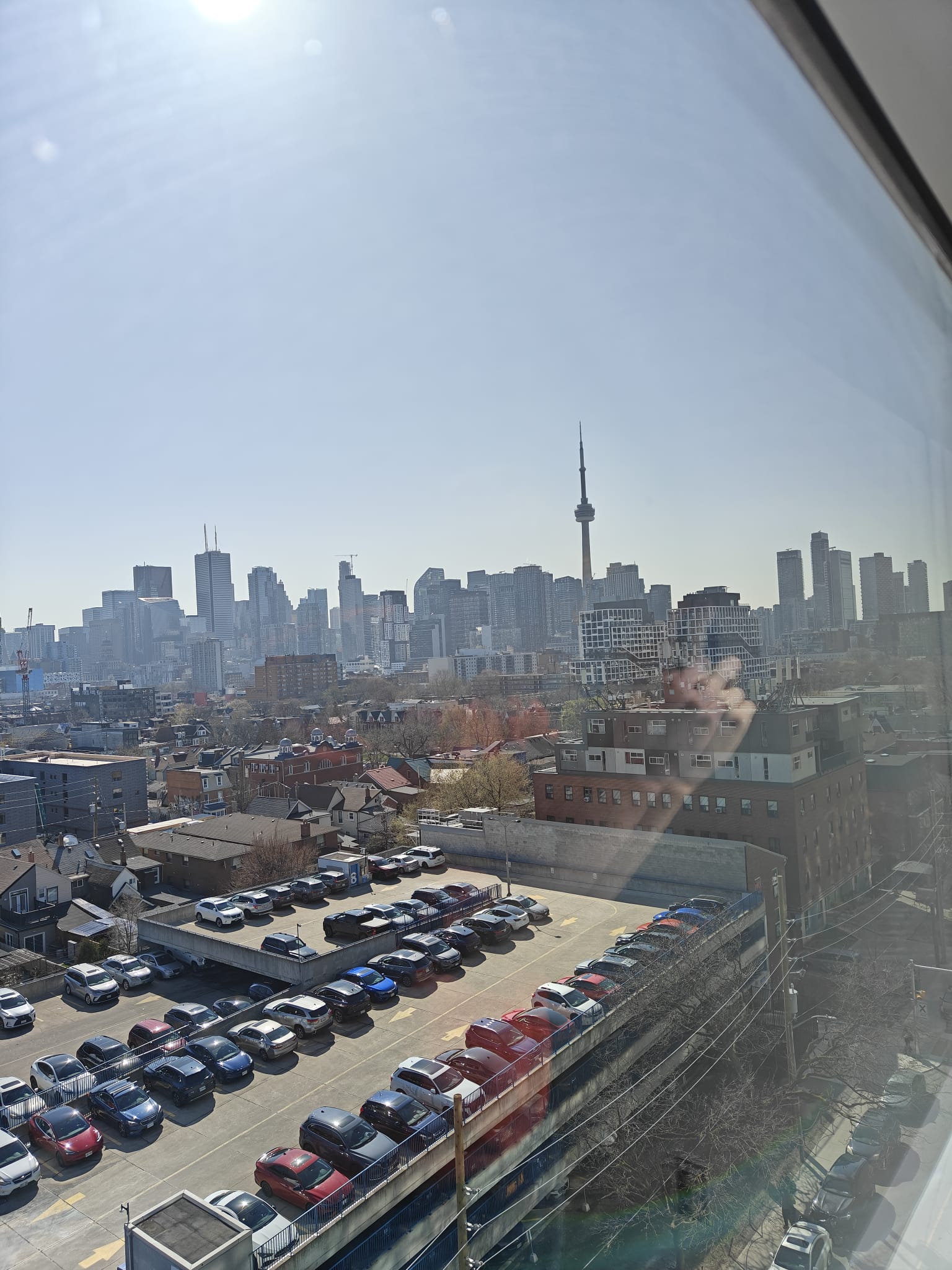
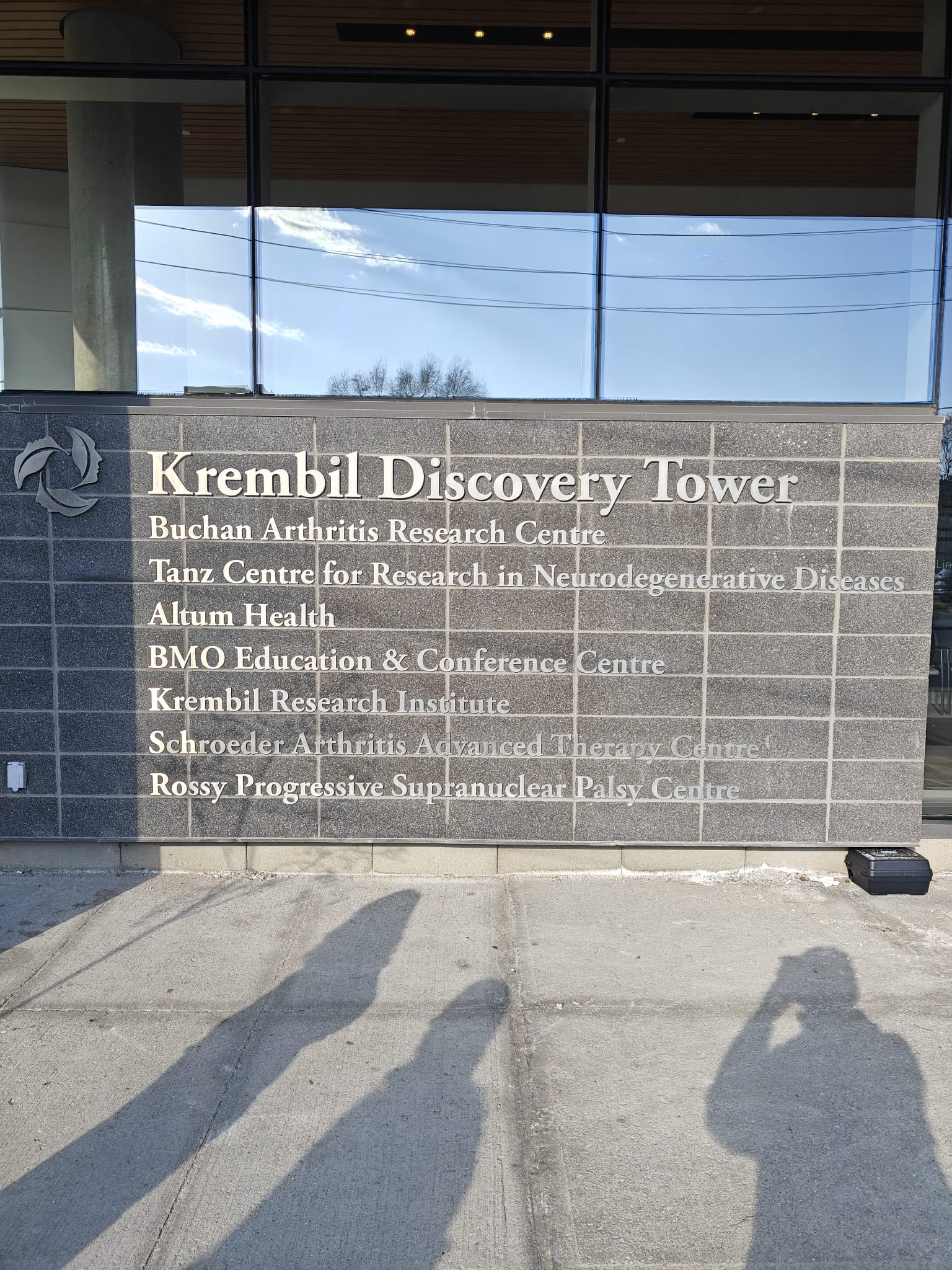
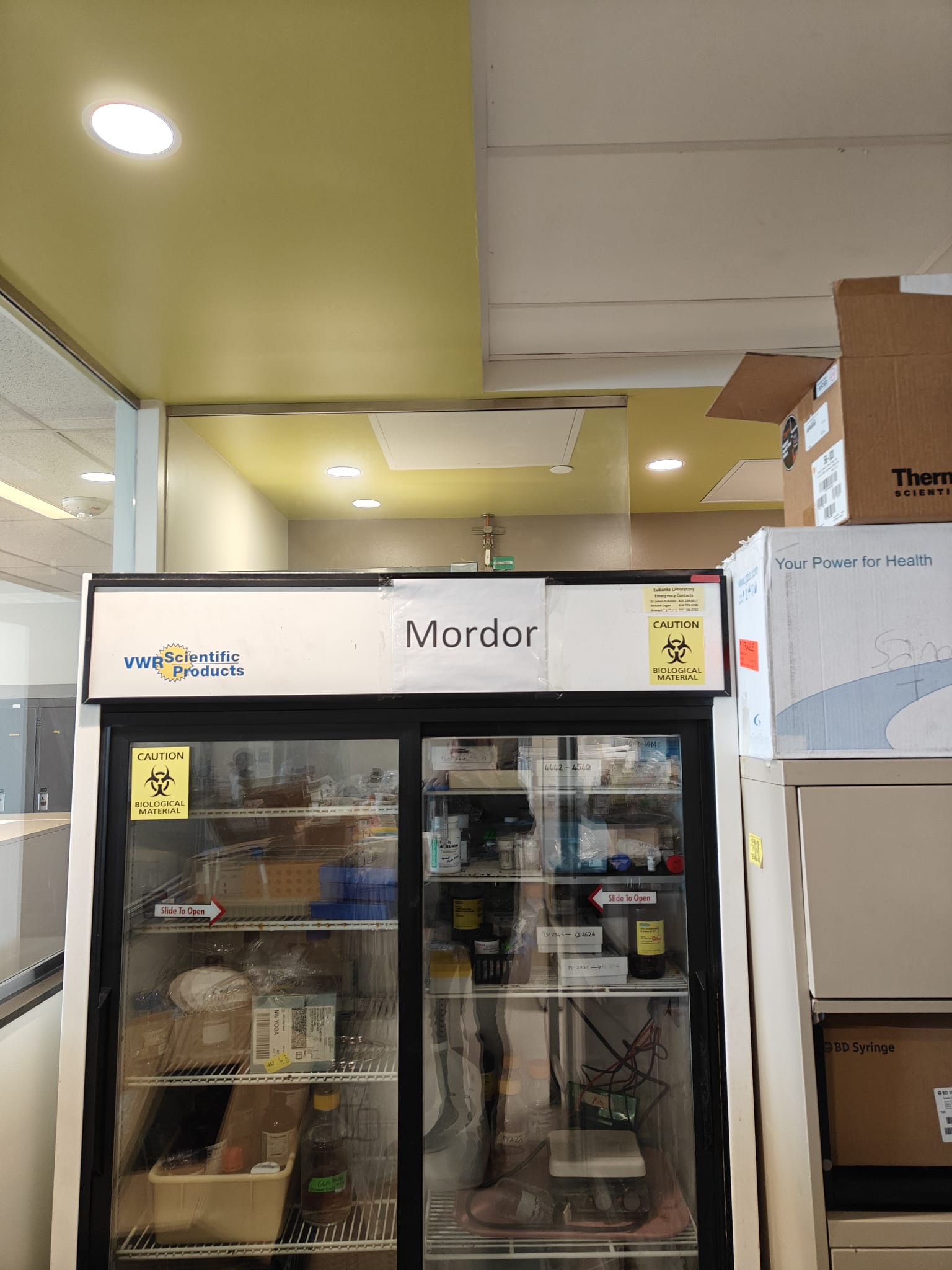
We begonnen met een tour rond het gebouw, waaronder het ziekenhuis waar het instituut aan is verboden (Toronto West), de onderzoek afdeling genaamd Crania, en de WetLab van het instituut. We hadden hierbij als tour guides Steven Carcone en Caitlin Ragell. Zij werken vooral onder de hoofd-neurochirurg genaamd Dr. Taufik Valiante, zodat alles rondom zijn lab en zijn onderzoek zo soepel mogelijk verloopt. Hierna hadden we een aantal presentaties van een paar mensen: Dr. Homeira Moradi, Dr Rena Far, Yvonne Yang en Noah Xiao.
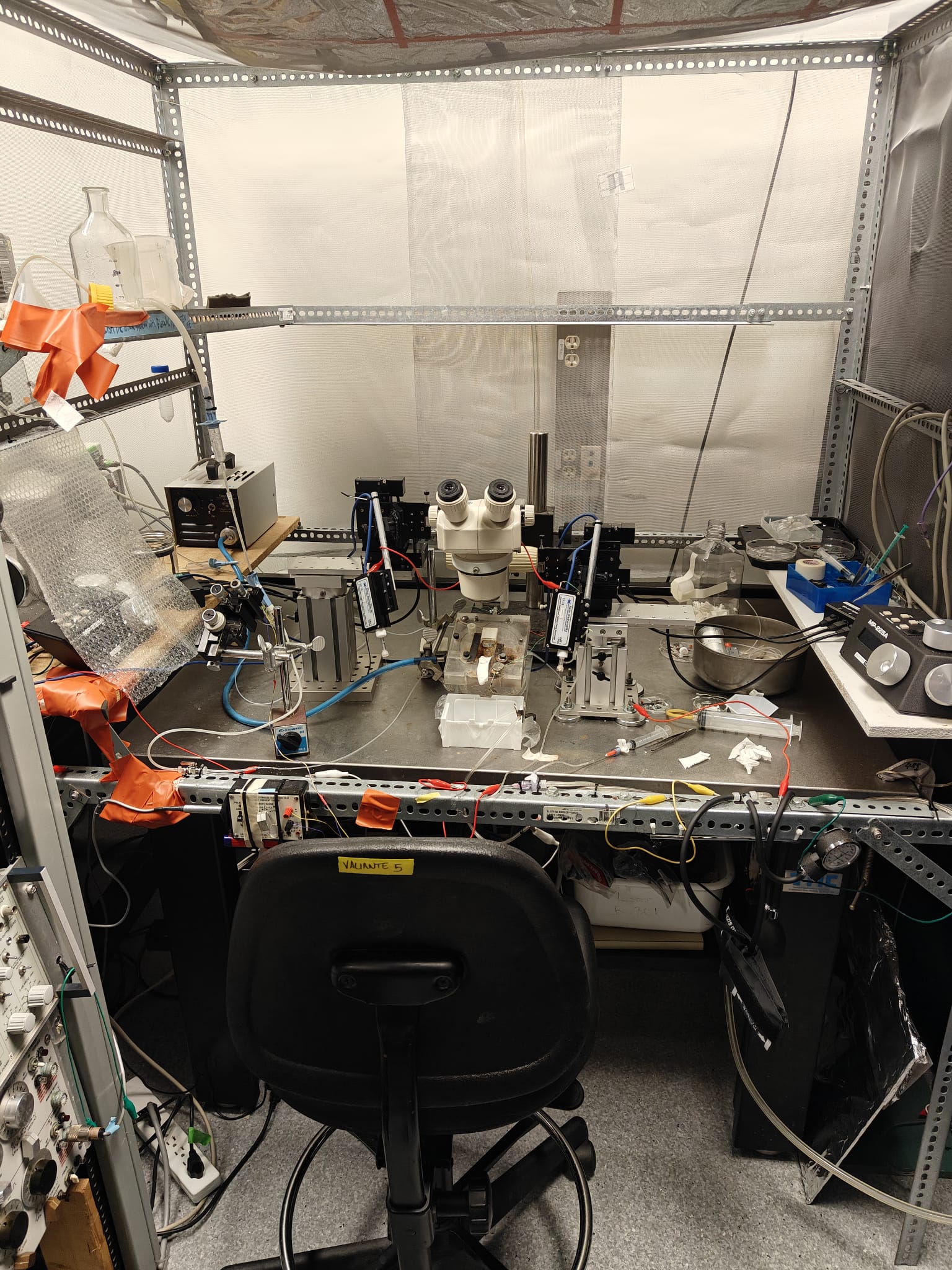
Het eerste praatje van Dr. Homeira Moradi werd gegeven in de WetLab, wat een kleine kamer was met een aantal opstellingen. Ze vertelde dat ze vooral kijkt naar echte brein cellen van patiënten, om te kijken hoe verslechterd brein activiteit bijdraagt aan epilepsie. Ze ging hierbij ook over de manieren waarop ze kijken naar een enkele cel, of naar een groep cellen. Ook doen ze experimenteren op dieren, en kijken ze hoe het breinsignaal van een aanval er daarbij uitziet. Er werd echter ook een filmpje hiervan laten zien, waarbij ze een aanval induceren bij een muis, en dit was voor mij redelijk intens om te zien.
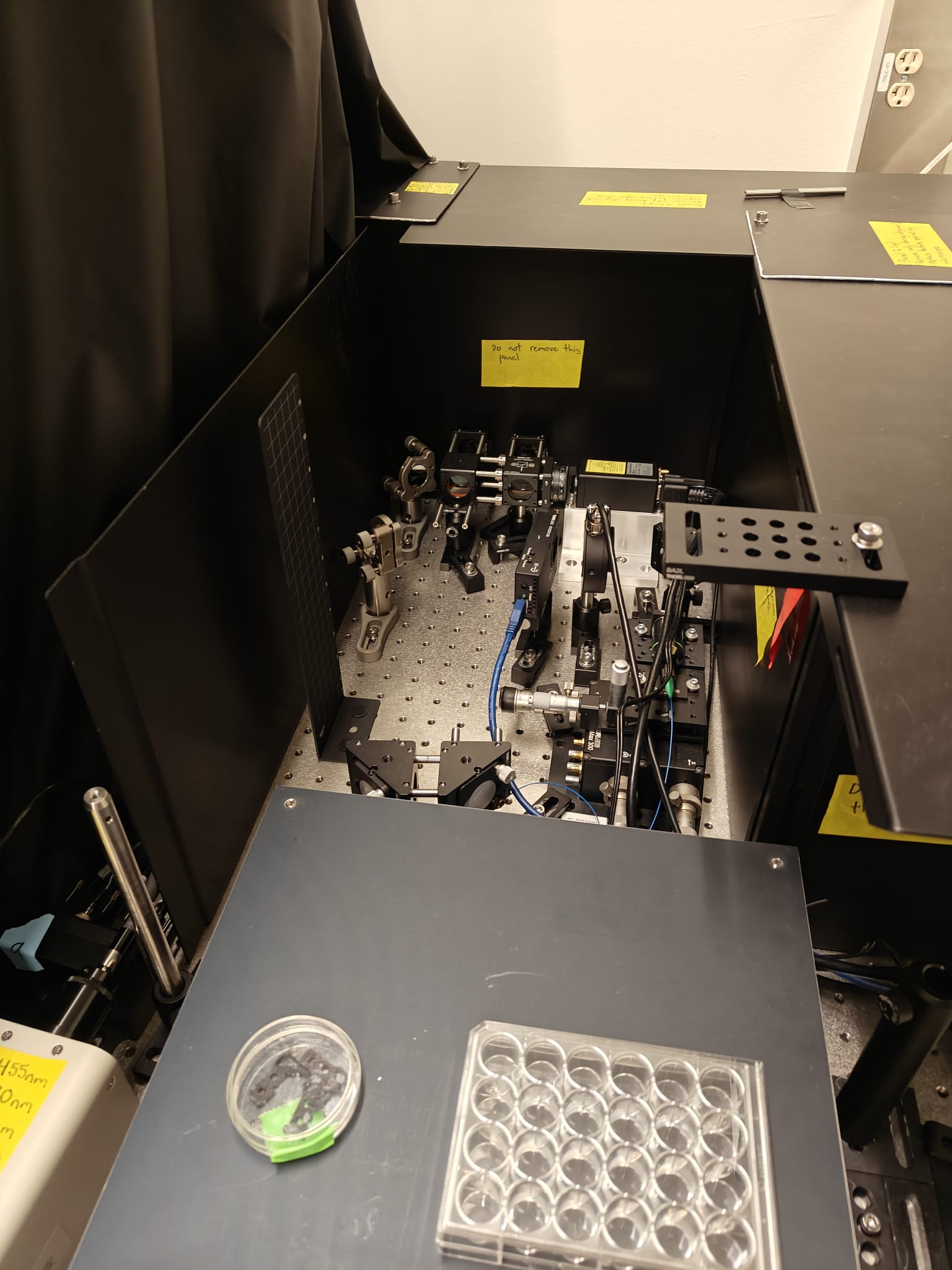
De tweede presentatie was van Rena Far en deels van Noah Xiao. Rena Far ging over een aantal feitjes en weetjes over epilepsie en het instituut, bijvoorbeeld dat 30% van de mensen met epilepsie een vorm krijgen van epilepsie waarbij normale medicijnen niet meer werken. Vervolgens vertelde ze over een manier van het behelpen van epilepsie door middel van electrodes in het brein. Haar eigen onderzoek is echter onderzoeken hoe muziek brein activiteit beïnvloedt. Dit is voor mij ontzettend interessant, aangezien ik zelf ook muzikant ben, en dus benieuwd was naar hoe dit echt werkt. Hun hypothese is dat muziek kan worden gebruikt om een soort resonantie aan brein activiteit te creëren, waardoor patiënten met epilepsie, als ze een aanval krijgen, hopelijk een verminderde aanval krijgen doordat de resonantie van de muziek de brein activiteit van de epilepsie vermindert. Ik (en een mede student) hadden hierbij een vervolg vraag: speelt een preferentie naar bepaalde muziek een rol bij het brein activiteit dat wordt gecreëerd? Het antwoord was dat dit er niet mee te maken heeft. De brein activiteit wordt vooral bepaald door de globale ritmische diversiteit van de muziek, niet of iemand het echt leuk vindt of niet. Dr. Taufik Valiante had hierbij als extra opmerkingen dat het dus een soort therapie zou kunnen zijn, waarbij gegenereerde muziek wordt gemaakt die exact het signaal creërt wat voor een bepaalde patiënt nodig is.
Het stukje van Noah Xiao was kort maar krachtig, hij praatte over een aantal manieren hoe het brein wordt getest op meer non-invasieve manieren, door bepaalde opdrachten worden gecreëerd voor de patiënten, en hun brein activiteit en/of oog beweging wordt bijgehouden.
Het praatje van Yvonne Yang ging over haar eigen onderzoek waarbij ze modellen bouwt van enkele neurons, zodat ze kunnen voorspellen wanneer bepaalde 'ion currents' het membraan van een cell passeren. Het was erg interessant, maar wel beetje buiten mijn interesse en kennis.
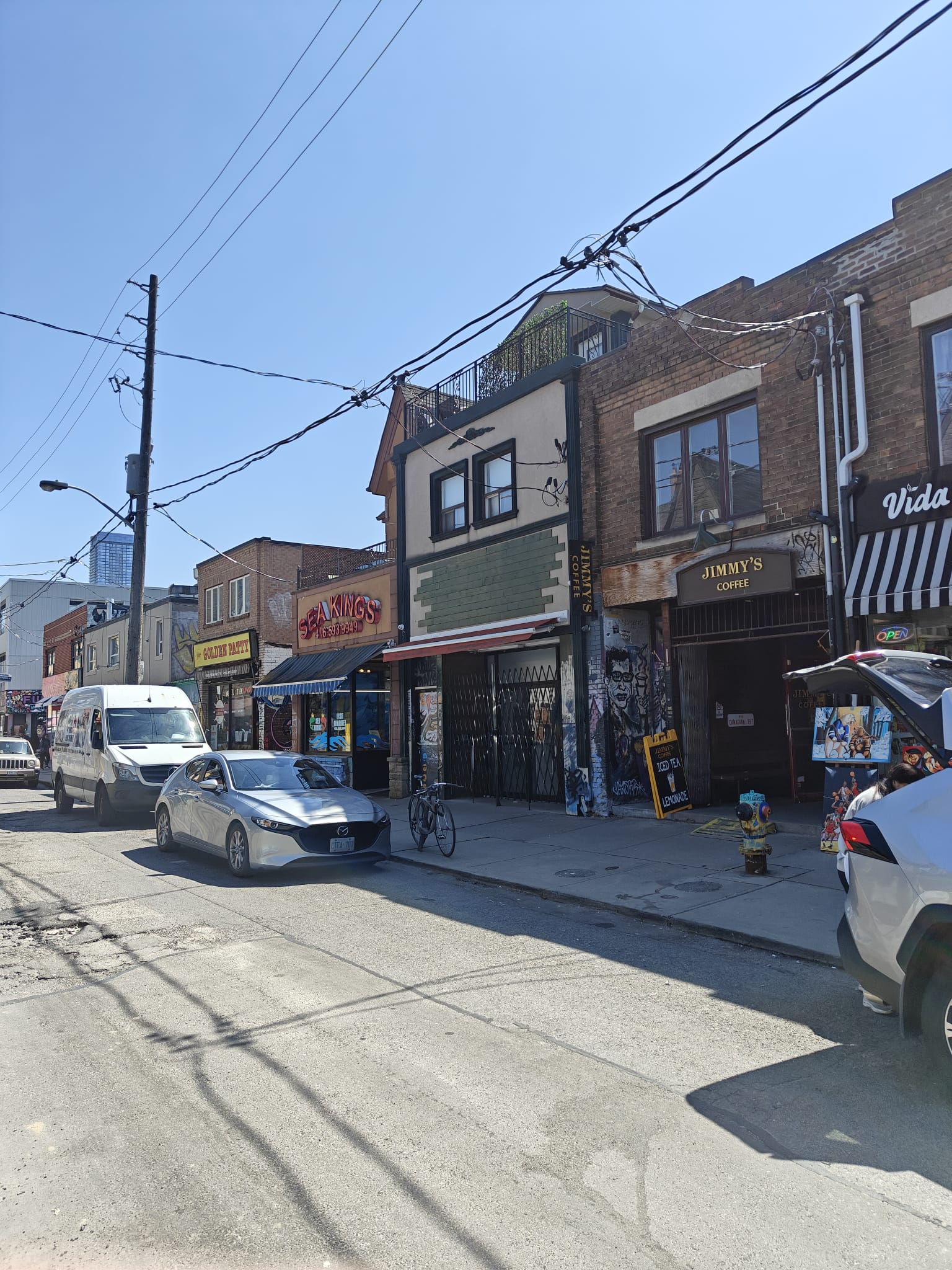
Hierna was het tijd voor wat eten, en vertrok ik met een groep richting het centrum en Yonge street. Dit is de langste straat van de wereld, die ongeveer 56km lang is. Dit hebben we natuurlijk niet helemaal afgelopen, maar het was in ieder geval wel indrukwekkend. We hebben hier in de buurt dus beetje rondgelopen, en uiteindelijk zijn we gaan eten in de plek Hugs & Sarcasm. Dit is een redelijk kleine eetplek, waarbij ik zelf had gekozen voor een Cottage Pie en het Great Lakes biertje die opzich best wel prima was.
Als laatste, was hier een pubquiz die uitsluitend ging over de TV show Supernatural. Ik en mijn team zijn helaas als laatste geëindigd, wat ook te verwachten was aangezien we de meeste antwoorden kozen op vibes en steen papier schaar.
English
Today at 9:00 a.m., we had to be at our first institute visit of the entire Canada trip: the Neuron to Brain Laboratory. Here, they primarily study how epilepsy can be cured.
We started with a tour around the building, including the hospital to which the institute is affiliated (Toronto West), the research department named Crania, and the institute's WetLab. Our tour guides for this were Steven Carcone and Caitlin Ragell. They work mainly under the chief neurosurgeon named Dr. Taufik Valiente, ensuring that everything surrounding his lab and research runs as smoothly as possible. After this, we had several presentations by a few people: Dr. Homeira Moradi, Dr. Rena Far, Yvonne Yang, and Noah Xiao.
Dr. Homeira Moradi's first talk was given in the WetLab, which was a small room with several setups. She explained that she mainly looks at real brain cells from patients to see how impaired brain activity contributes to epilepsy. She also discussed the ways in which they look at a single cell or a group of cells. They also conduct experiments on animals and examine what the brain signal of a stroke looks like in the process. However, a video of this was also shown, in which they induce a stroke in a mouse, and this was quite intense for me to watch.
The second presentation was by Rena Far and partly by Noah Xiao. Rena Far covered a number of facts and tidbits about epilepsy and the institute, for example, that 30% of people with epilepsy develop a form of epilepsy where standard medication no longer works. She then spoke about a method of treating epilepsy using electrodes in the brain. Her own research, however, involves investigating how music influences brain activity. This is incredibly interesting to me, since I am a musician myself and was therefore curious about how this really works. Their hypothesis is that music can be used to create a kind of resonance in brain activity, so that patients with epilepsy, when they have a seizure, hopefully experience a reduced seizure because the resonance of the music reduces the brain activity associated with the epilepsy. I (and a fellow student) had a follow-up question regarding this: does a preference for certain music play a role in the brain activity that is created? The answer was that this has nothing to do with it. The brain activity is primarily determined by the overall rhythmic diversity of the music, not whether someone really likes it or not. Dr. Taufik Valiente added the comment that it could therefore be a type of therapy, in which generated music is created that produces exactly the signal needed for a specific patient.
Noah Xiao's piece was short but powerful; he discussed a number of ways in which the brain is tested in more non-invasive ways, by creating specific tasks for the patients, and by tracking their brain activity and/or eye movement. Yvonne Yang's talk was about her own research in which she builds models of individual neurons so that they can predict when certain 'ion currents' pass through a cell membrane. It was very interesting, but a bit outside my area of interest and knowledge.
After this, it was time for some food, and I headed with a group towards the city center and Yonge Street. This is the longest street in the world, which is about 56 km long. Of course, we didn't walk the entire length of it, but it was impressive nonetheless. So we walked around the area a bit, and eventually went to eat at Hugs & Sarcasm. This is a fairly small eatery, where I personally chose a Cottage Pie and the Great Lakes beer, which was actually quite good.
Finally, there was a pub quiz here that focused exclusively on the TV show Supernatural. Unfortunately, my team and I finished last, which was to be expected considering we chose the most answers on vibes and rock-paper-scissors.